CleanTechIndiaIn production

White-Label EV Charging Platform - India

How we architected a vendor-neutral, white-label charging management platform that lets any EV charging operator launch under its own brand.

eKIGAIOctober 2026Consulting CTO
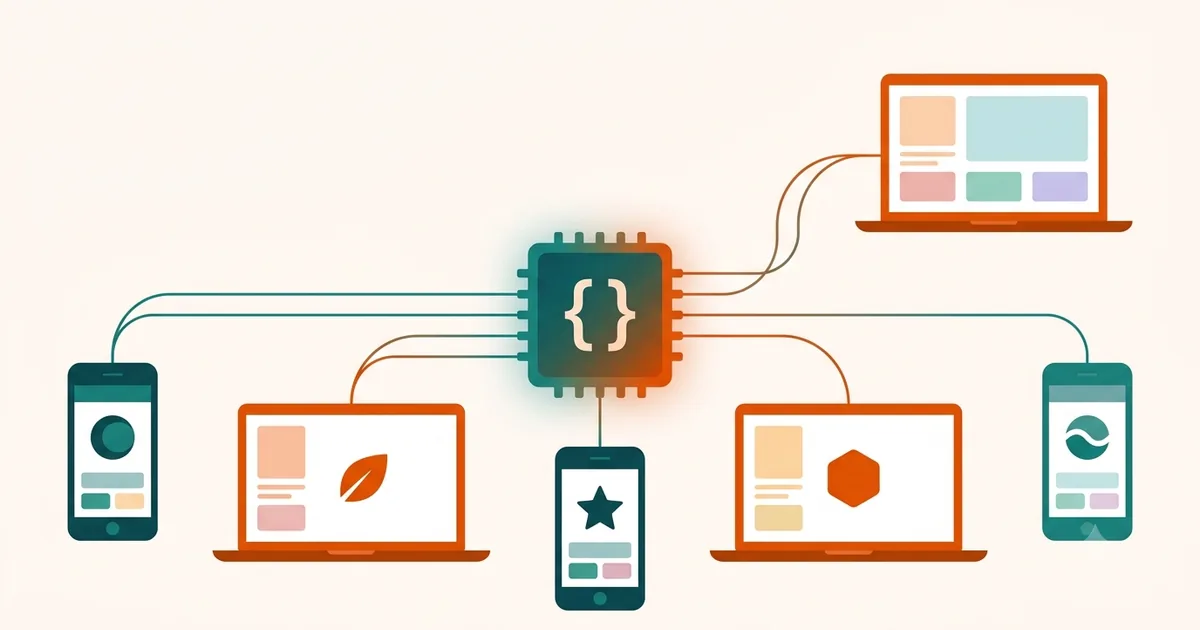
Illustration of EV chargers from different makers connected to one white-label charging management platform

Overview

India's EV charging networks are growing fast, but most operators were stuck choosing between building their own software or using a vendor's closed system. The brief was one vendor-neutral platform that any charging operator could launch under its own brand, quickly, and run at national scale.

Technologies Used

Nest.js
Multi-tenant microservices
OCPP 1.6 and 2.0
Vendor-neutral charger communication
Next.js PWA
Operator and admin dashboards
React Native
Branded driver apps
MongoDB
Live charger data
PostgreSQL
Payments and invoices
Redis
Fast caching
AWS + Kubernetes
Hosting with auto-scaling

The Challenge

India's EV charging networks are growing fast, but most operators were stuck choosing between building their own software or using a vendor's closed system.

  • Mixed charger fleets: operators buy chargers from several manufacturers, and many management systems only work well with one brand.
  • Long build times: building a charging management system (CMS), driver apps and billing from scratch can take well over a year before the first charger goes live.
  • Downtime costs money: a faulty charger found by a driver, not by the operator, means lost sessions and a poor reputation.
  • Every operator wants its own brand: drivers should see the operator's app, colours and pricing, not a software vendor's.
  • Grid limits: sites with several chargers can overload the local supply if power isn't shared intelligently.
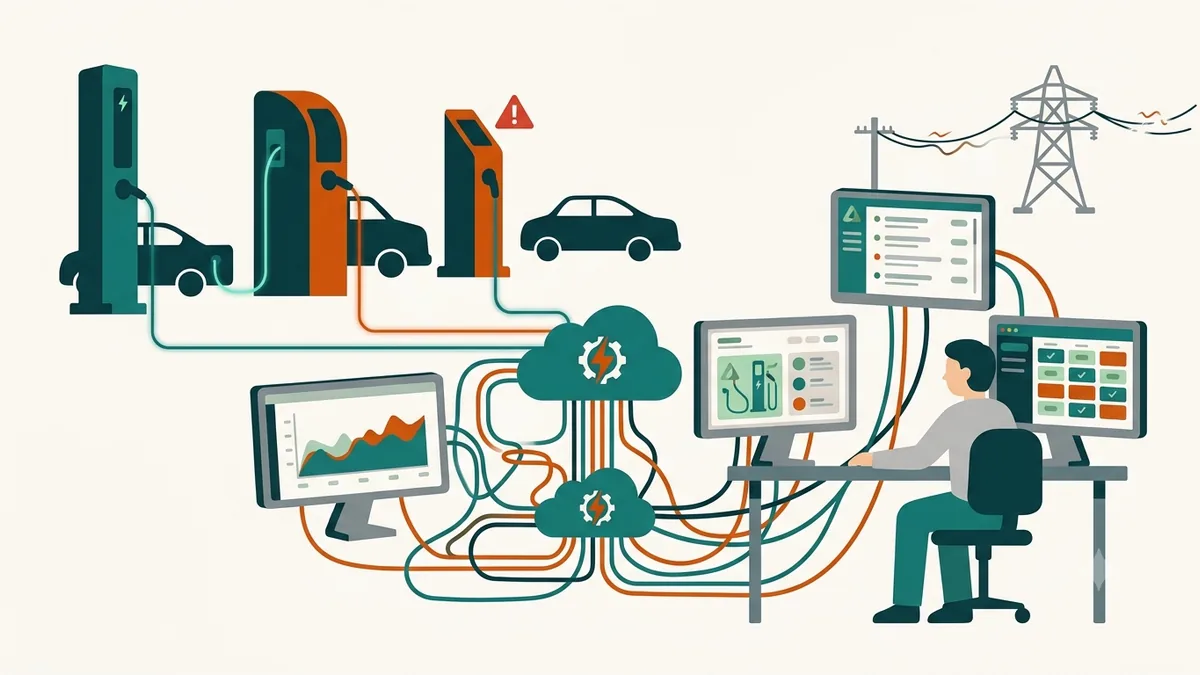
A charging operator managing chargers from several manufacturers through disconnected systems

The Approach

As Consulting CTO for eKIGAI, I led the technology vision and architecture for the platform:

  • Architecture: the multi-tenant Nest.js microservices platform, the OCPP communication layer and the data stores.
  • White-label model: how each operator gets its own brand, pricing, apps and data without forking the code.
  • Scale and reliability: the AWS and Kubernetes setup, Redis caching and real-time monitoring for a national charger network.
  • Product direction: the operator dashboard, driver app and admin features, shaped with the eKIGAI team, with guidance through delivery.
  1. Vendor-neutral from day one

    The platform speaks OCPP 1.6 and 2.0, the open protocol most chargers support. An operator can connect chargers from any compliant manufacturer, and add new brands without platform changes.

  2. White-label through configuration, not forks

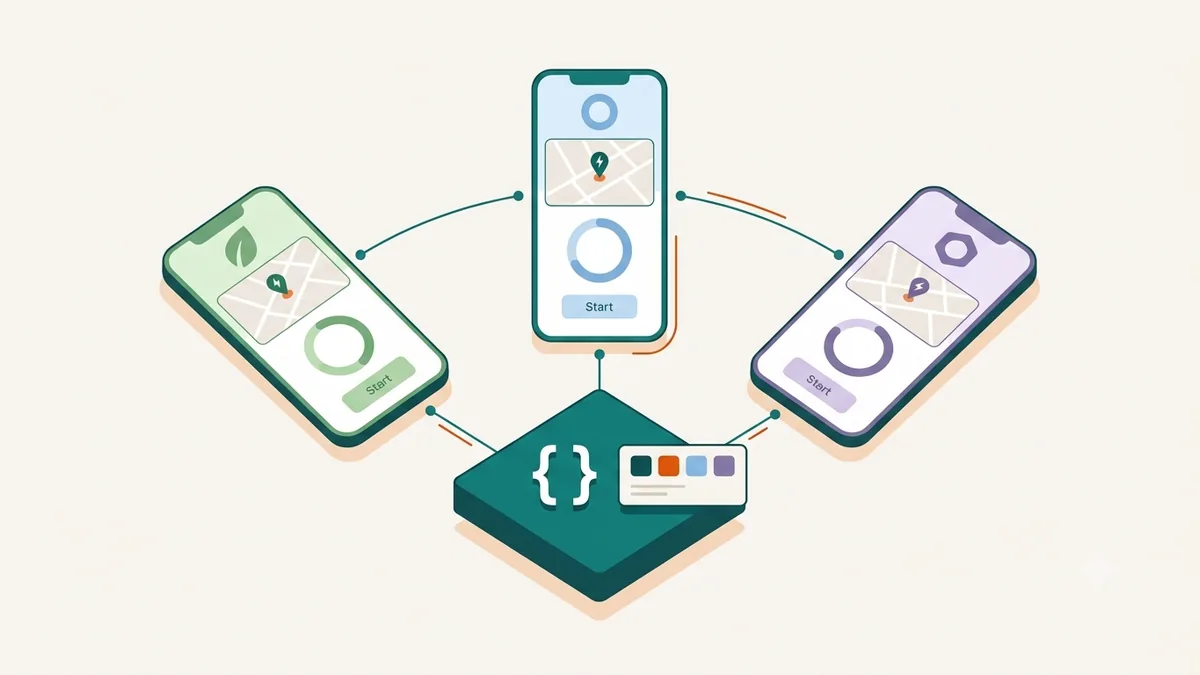
    Each operator is a tenant with its own branding, apps, tariffs, chargers and users. One codebase serves every operator, so a fix or feature ships to all of them at once.

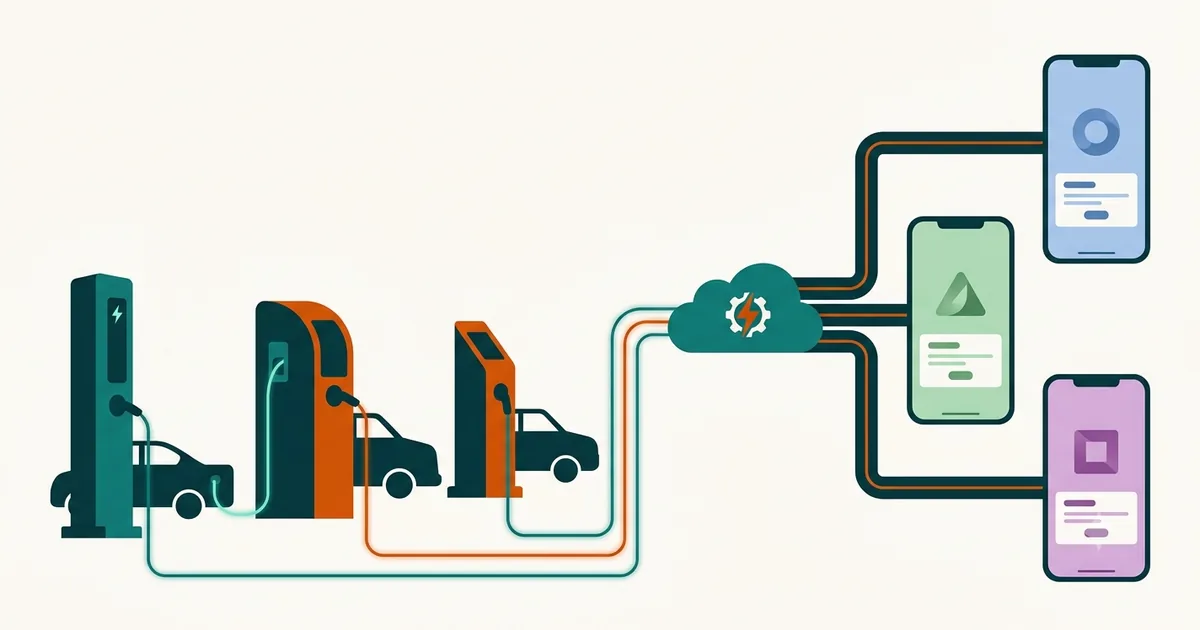
    One charging platform powering driver apps in several operator brands
  3. Real-time monitoring and remote control

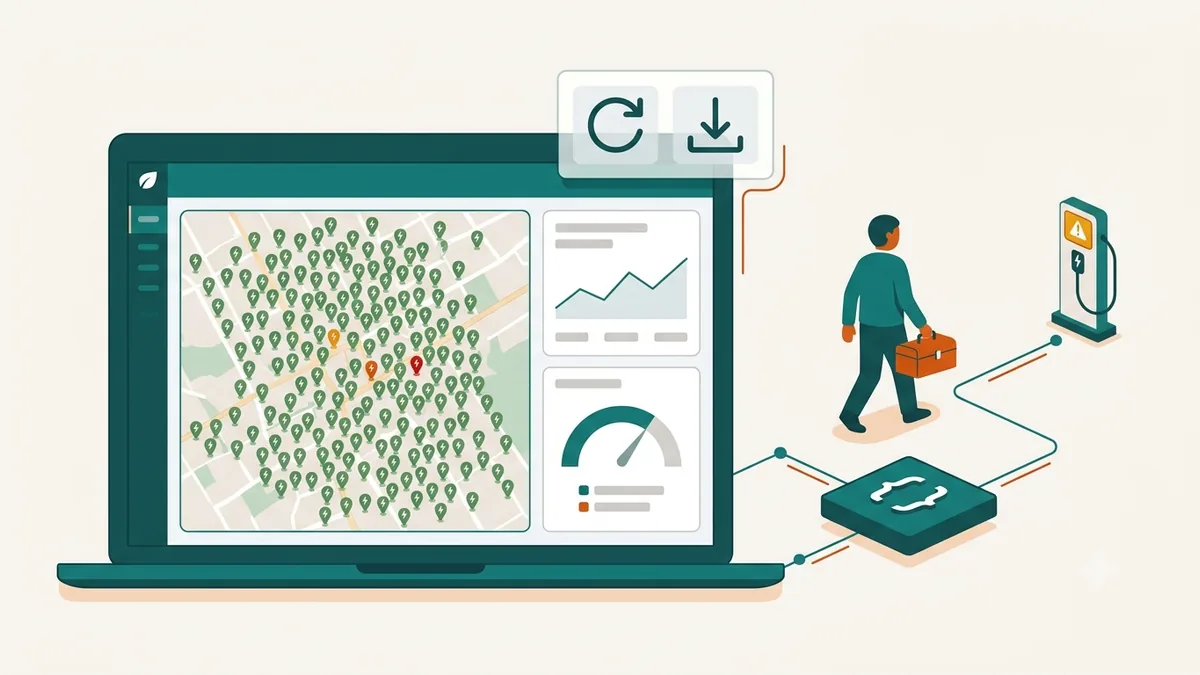
    Operators see every charger's live status, can troubleshoot and restart remotely, and push firmware updates over the air without a site visit.

  4. Predictive maintenance

    Charger health data feeds models that flag likely failures early, so field teams can fix a charger before drivers find it broken.

    Operator dashboard showing live charger status, remote restarts and predicted failures
  5. Smart power sharing

    Load balancing and adaptive charging profiles share the available power across chargers at a site, based on vehicle type, usage patterns and grid load, preventing overloads.

  6. A driver app that just works

    Drivers find stations on Google Maps, check live availability, reserve a slot and start charging by QR code, RFID or OTP. They pay in the app, get invoices automatically and track their energy use and carbon savings.

  7. Business tools for operators

    Time-based and demand-based tariffs, geo-fenced pricing, custom reports, KPI dashboards, audit logs and an escalation workflow for support tickets.

Architecture

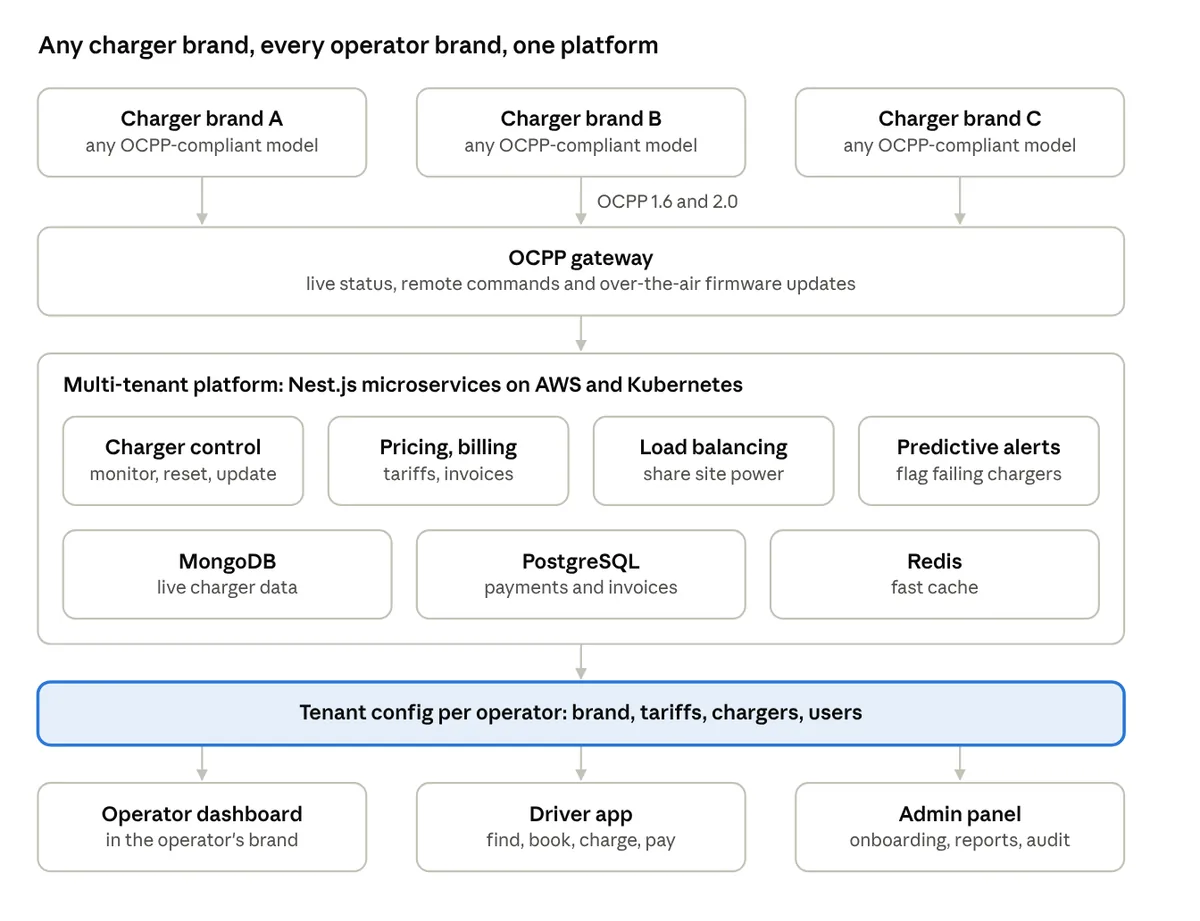
Chargers from any OCPP-compliant maker connect through one gateway. The tenant layer gives each operator its own brand, tariffs and users on the same platform.

EV charging platform architecture: chargers over OCPP, microservices, databases, operator dashboards and driver apps

Trade-offs We Made

DecisionWhat we gainedWhat we gave up
Open OCPP standard instead of vendor-specific integrationsAny compliant charger works; operators aren't locked to one manufacturer.Some manufacturer-only features need extra work; charger firmware quirks still need testing.
One multi-tenant platform for all operatorsFixes and features ship to every operator at once; much faster onboarding.Strict tenant isolation and per-tenant testing became essential.
Microservices on KubernetesCharger messaging, billing and apps scale independently.More infrastructure to run than a single application.
MongoDB for live charger data, PostgreSQL for moneyFast writes for constant status updates; strong consistency for payments and invoices.Two databases to operate and back up.
Branding through configuration onlyEvery operator stays on the same version.Operators can't request one-off custom features in their own copy.

Results & Impact

The platform runs in production as a white-label SaaS for multiple EV charging operators in India.

Charging stations managed
10,000+
Across operators, nationwide
Charging transactions
1M+ / day
Volume the platform handles
Station downtime
70% less
From predictive maintenance and remote diagnostics
Energy cost
40% lower
From intelligent load balancing
Session success rate
95%
Sessions that start and finish without failure
Operator revenue
25% higher
From dynamic pricing

Business Impact

Time to market for a new operator cut from about 18 months to about 3 months
Chargers from any OCPP-compliant maker managed on one platform
Every operator runs its own brand, apps and tariffs on one shared codebase
Faults flagged before drivers find them, through predictive maintenance
Remote restarts and over-the-air firmware updates without site visits
Drivers start charging in about 2 minutes on average

Where This Applies Beyond India

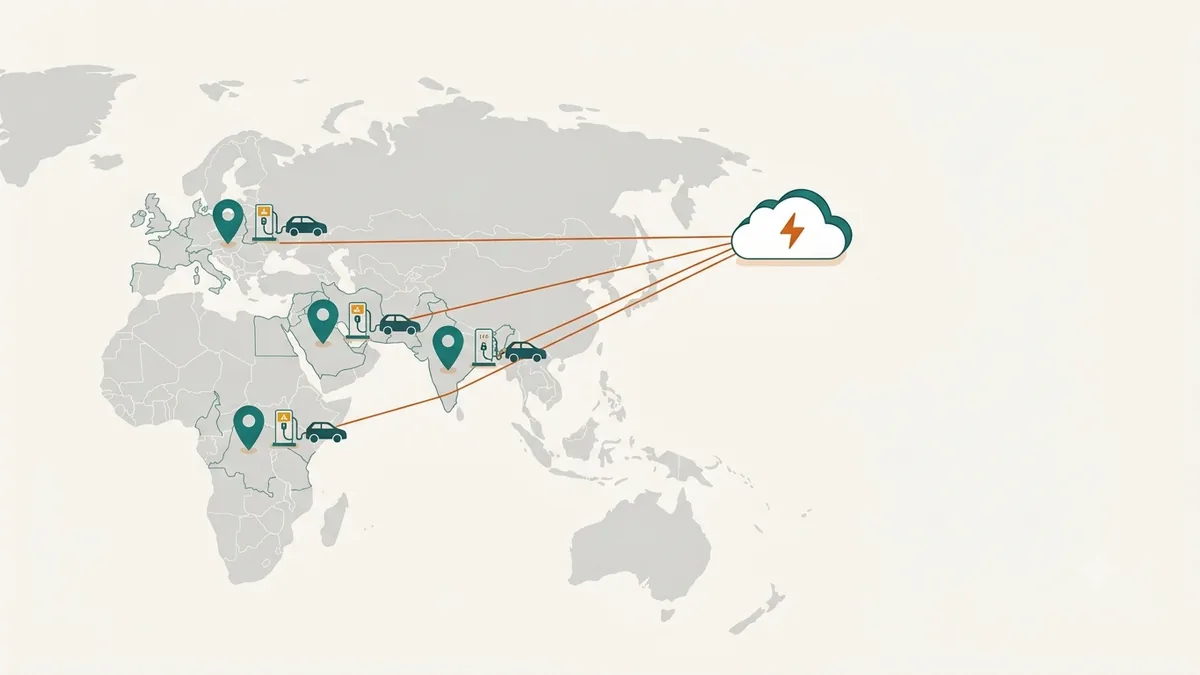
The same architecture fits any market building out EV charging, and any infrastructure business where one platform serves many operators.

EV charging networks in Europe, the Middle East, Africa and India running on one vendor-neutral platform
  • Europe: OCPP is already the norm, so vendor neutrality is expected. Plan for GDPR, roaming between networks and EU-hosted data.
  • Middle East: the UAE and Saudi Arabia are expanding public charging quickly. Expect in-region hosting under PDPL rules and Arabic, right-to-left driver apps.
  • Africa: early networks need low-cost onboarding and apps that work on patchy connections. Plan for mobile-money payments and POPIA or NDPA compliance.
  • India: mixed charger fleets, UPI payments and fast-growing networks make vendor-neutral, white-label platforms a strong fit.

The pattern also carries to other connected infrastructure: battery swapping, smart parking and fleet depots.

Key Takeaways

An open protocol like OCPP keeps operators free to buy chargers from any maker.
White-label works when every operator difference is configuration, not a code fork.
Remote monitoring and over-the-air updates cut costly site visits.
Predictive maintenance finds faults before drivers do.
Smart load balancing lets more chargers share a limited grid connection.
Separate stores for live device data and money keep both fast and correct.

Building an EV, IoT or White-Label SaaS Platform?

With 26+ years of building platforms, I help founders design vendor-neutral, multi-tenant systems that scale.