Technical Due Diligence: What Investors Check
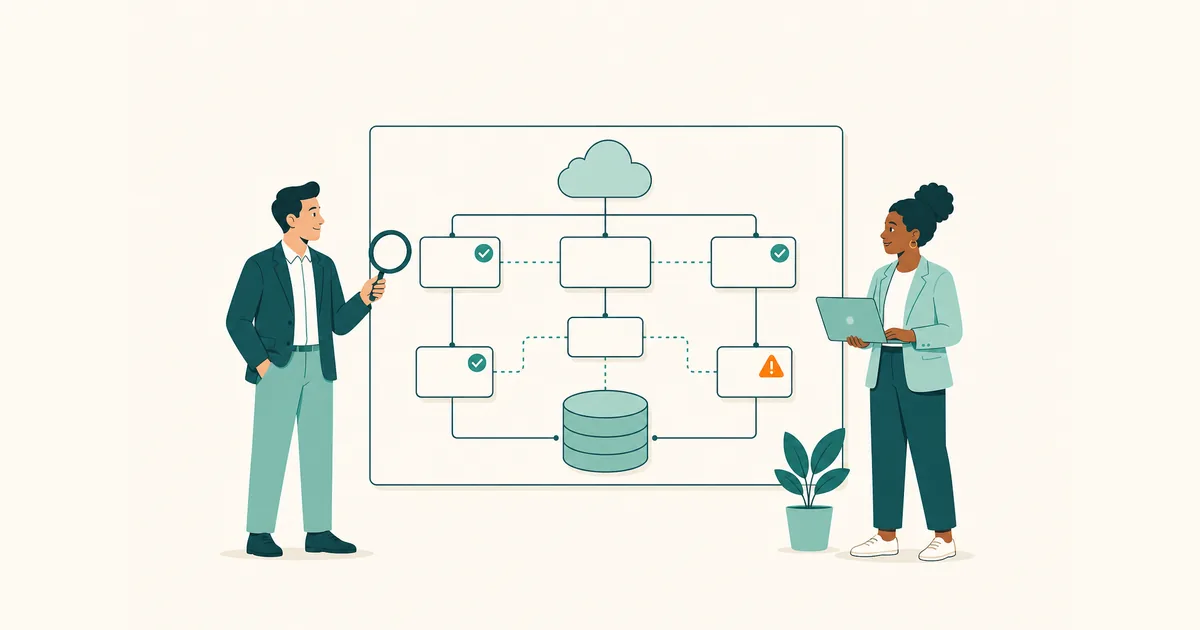
At seed stage, investors mostly back the founders and the idea. At Series A, they start checking whether the product can carry the business plan. That check is technical due diligence, and it can delay or reprice a round if it turns up surprises.
From backing the idea to checking the product
At seed stage, investors mostly back the founders and the idea. At Series A, they start checking whether the product can carry the business plan. That check is technical due diligence, and it can delay or reprice a round if it turns up surprises.
The good news is that investors are rarely looking for perfect code. They are looking for risks the founders do not know about, and for a team that can explain its own trade-offs.
What technical due diligence is
It is a structured review of your technology, usually done by an outside CTO or a specialist firm on the investor's behalf. Expect a document request list, read-only access to your code and cloud, and two to four interviews with your technical lead. A typical review takes one to three weeks.
The eight areas investors check
| Area | What they look at | What a red flag looks like |
|---|---|---|
| Architecture and scale | Can the system handle 10× the users in the plan? | One server, one database, no idea where it breaks |
| Code quality | Structure, tests, review process, technical debt | No tests, no reviews, one person who understands the core |
| Security | Access control, secrets, encryption, past incidents | Shared admin passwords, secrets in the code, no incident log |
| Data and privacy | What personal data you hold and under which law | No data map, no consent records, data stored in the wrong country |
| IP ownership | Who owns the code: staff, contractors, agencies | Contractors with no IP assignment, unclear open-source licences |
| Infrastructure cost | Cloud spend per customer and how it grows | Costs rising faster than revenue, no one tracking them |
| Team and key people | Who knows what, how hiring works | The whole system depends on one person who might leave |
| Roadmap and delivery | Can the team ship what the plan promises? | Missed releases, no delivery rhythm, roadmap set by sales alone |

The red flags that actually change a deal
Most findings end up as "fix within six months" notes. A few can change the terms or stop the round:
- Unclear IP ownership. If an agency or freelancer wrote the core product and never signed over the rights, the company may not own its main asset.
- A serious unreported security issue, especially one involving customer data.
- Compliance gaps in a regulated market, such as health, payments or children's data.
- Key-person risk with no plan. One developer holds all the knowledge and has no written agreement.
- A plan the system cannot reach. The business plan needs 50,000 users and the architecture struggles at 2,000.
Regional angles investors now ask about
Investors increasingly ask where data lives and which rules apply, especially for startups selling across borders.
| If you sell in | Expect questions on |
|---|---|
| Europe | GDPR: lawful basis, processors, transfers outside the EU |
| Middle East | Saudi and UAE PDPL, data residency, sector rules for finance and health |
| Africa | POPIA in South Africa, NDPA in Nigeria, cross-border transfers |
| India | DPDP Act 2023: consent, data principal rights |
| Singapore | PDPA: consent, purpose limits, breach notification |
If this is new to you, start with One Platform, Four Rulebooks.
How to get ready in 30 days
- Week 1: write it down. A two-page architecture overview, a list of third-party services, and a data map showing what personal data you hold and where.
- Week 2: close the easy gaps. Remove shared passwords, move secrets out of the code, switch on two-factor login for every admin account, and test a backup restore.
- Week 3: sort out ownership. Check that every employee, contractor and agency has signed an IP assignment. List your open-source licences.
- Week 4: rehearse. Prepare a one-page list of known technical debt with a plan for each item, and practise answering the hard questions with your tech lead.
Be honest about the debt. A team that lists its own risks with a plan earns more trust than one that claims to have none.
Questions to practise
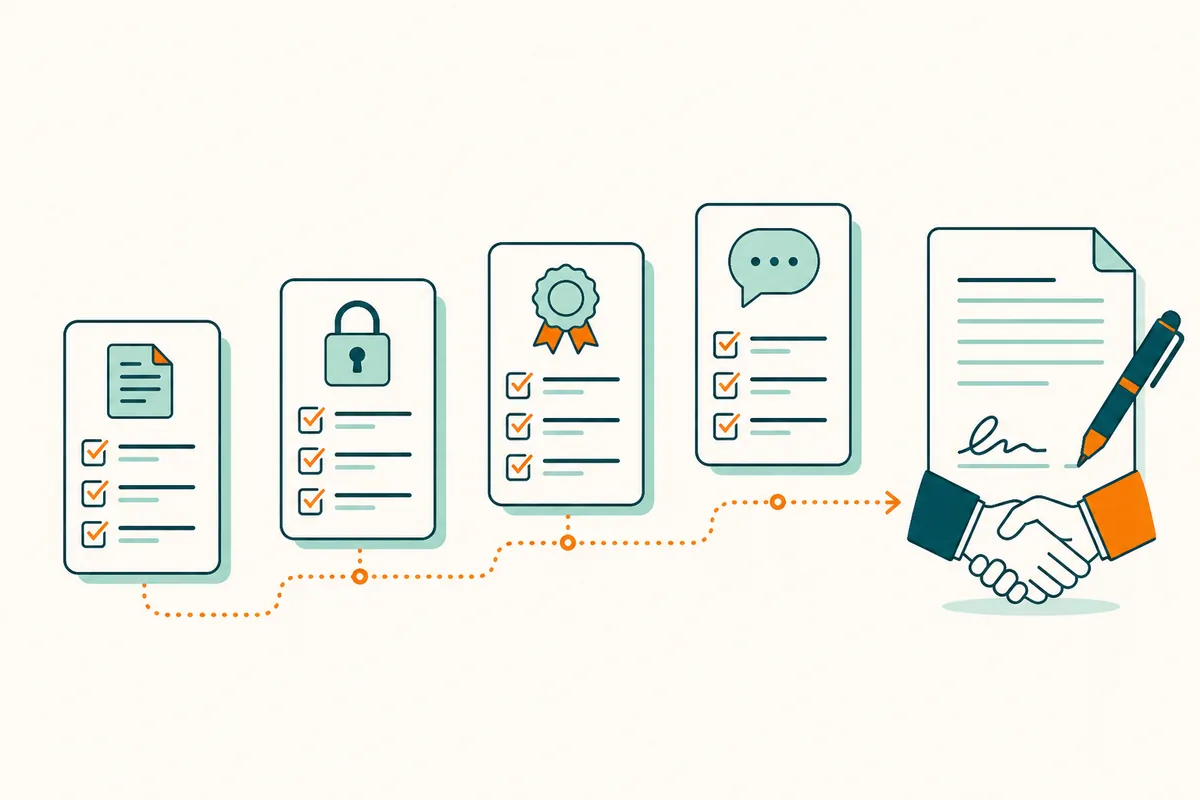
- What breaks first if usage grows ten times?
- Who could leave tomorrow and stop delivery?
- What happened in your last outage, and what changed afterwards?
- How much does each customer cost you in cloud spend?
- Where is customer data stored, and under which law?
Raising in the next six months?
Book a free 30-minute due-diligence readiness call. We will go through the eight areas and find the gaps an investor is most likely to raise.
About Vikram Malihan
Fractional CTO with 26+ years of experience building and scaling technology teams across multiple continents. Specializing in helping startups and scale-ups navigate technical challenges, from architecture decisions to team building and fundraising support.
Learn more about Vikram