MarketplaceIndiaMVP launched

Religious Services Marketplace - India

How a two-sided marketplace lets families in India book verified priests for home ceremonies, temple rituals and online guidance, with location search, live calendars and payment held until the ceremony is done.

Indian religious-services platform (name withheld)November 2026Fractional CTO
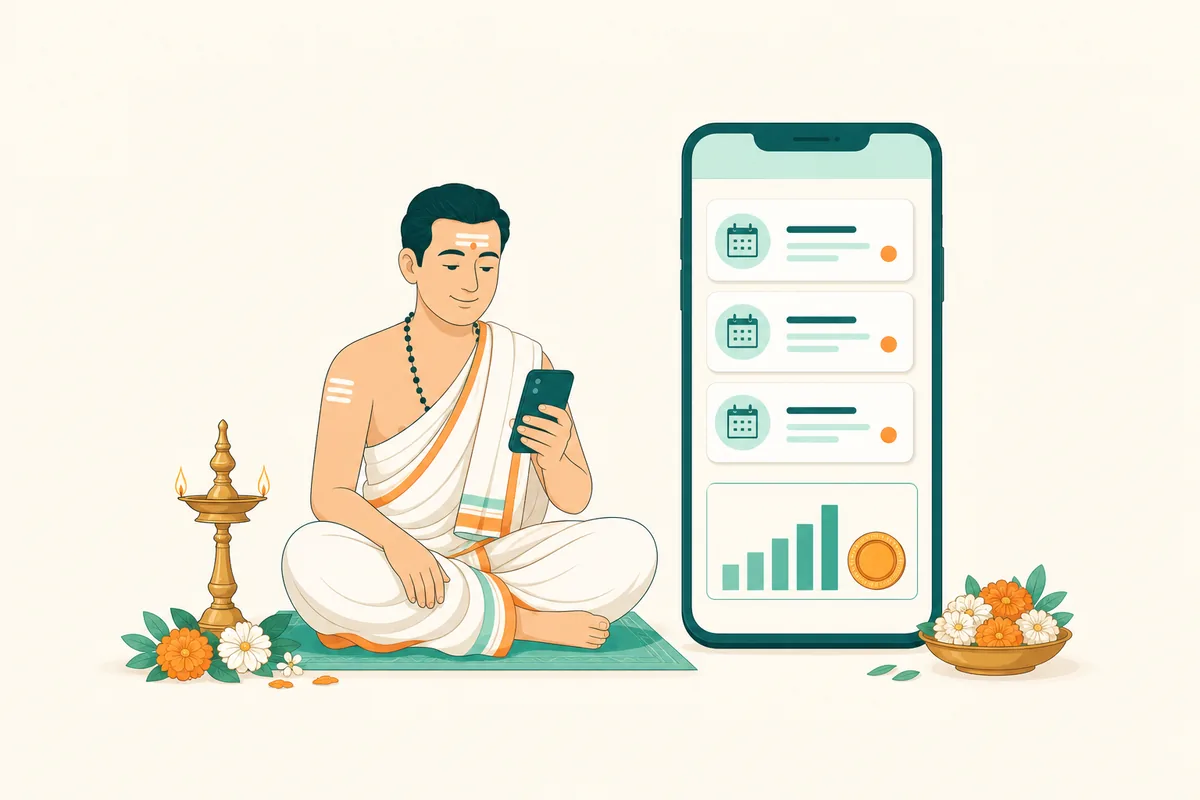
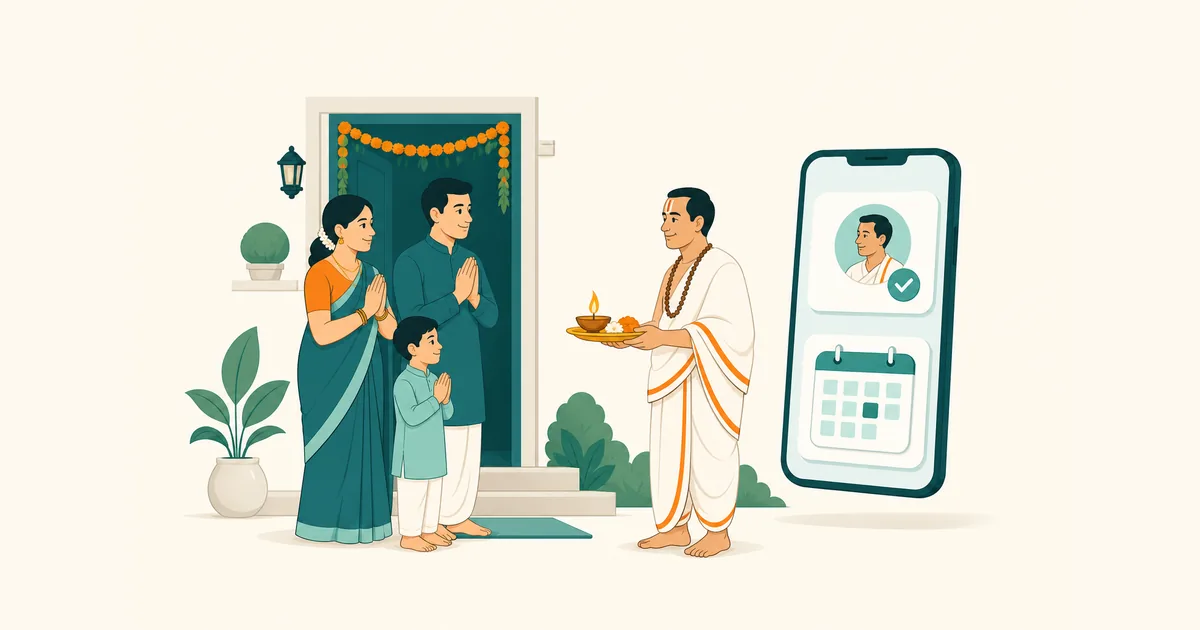
Family welcoming a priest for a home ceremony, with a phone showing a booking

Overview

A two-sided marketplace that lets families book verified priests for home ceremonies, temple rituals and online guidance, across languages and regional traditions. Priests get bookings, a calendar and guaranteed payment. Families get transparent fees and someone they can trust in their home.

Technologies Used

Next.js PWA
Customer and priest apps, with no app store download
Node.js + Express
REST APIs for search, bookings and payouts
MongoDB
Profiles and content
PostgreSQL
Bookings and payments, where transactions must be exact
Google Maps API
Radius search and travel time
Razorpay + Stripe
Payments, with funds held until the booking is completed
OTP login
Sign-in on mobile number, with ID verification for priests

The Challenge

Booking a priest in India still runs mostly on word of mouth. For a family that has moved to a new city, that creates real problems:

  • Trust. You are inviting a stranger into your home for an important family moment. There was no easy way to check credentials or reviews.
  • Fit. Ceremonies differ by region and tradition. A family from Bengal living in Pune needs a priest who knows their rituals and speaks their language.
  • Price. Dakshina (the priest's fee) is rarely discussed up front, which leads to awkward negotiations on the day.
  • Priests' income. Many skilled priests depend on a small local network and have empty weeks outside the festival season.
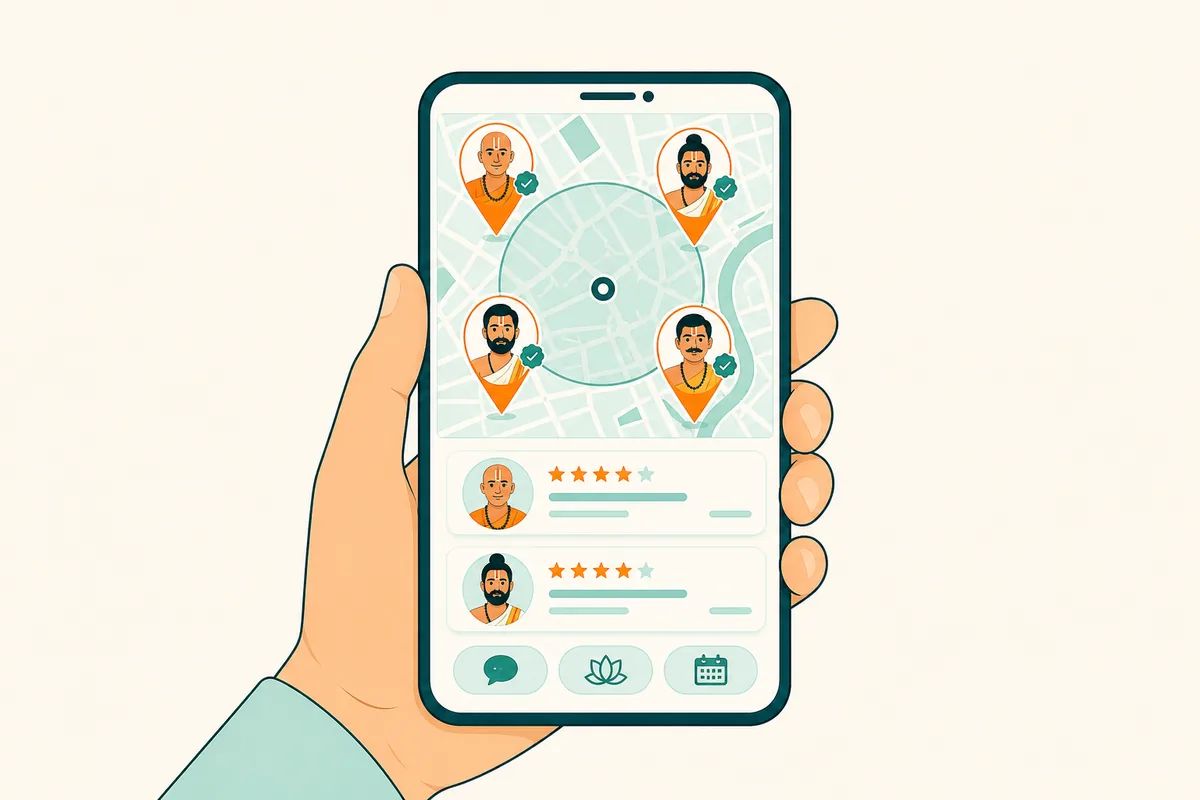
Phone screen with map search for nearby verified priests

My Role

As fractional CTO, I led the platform architecture, the payment and escrow design, the PWA strategy and guidance for the development team.

What We Built

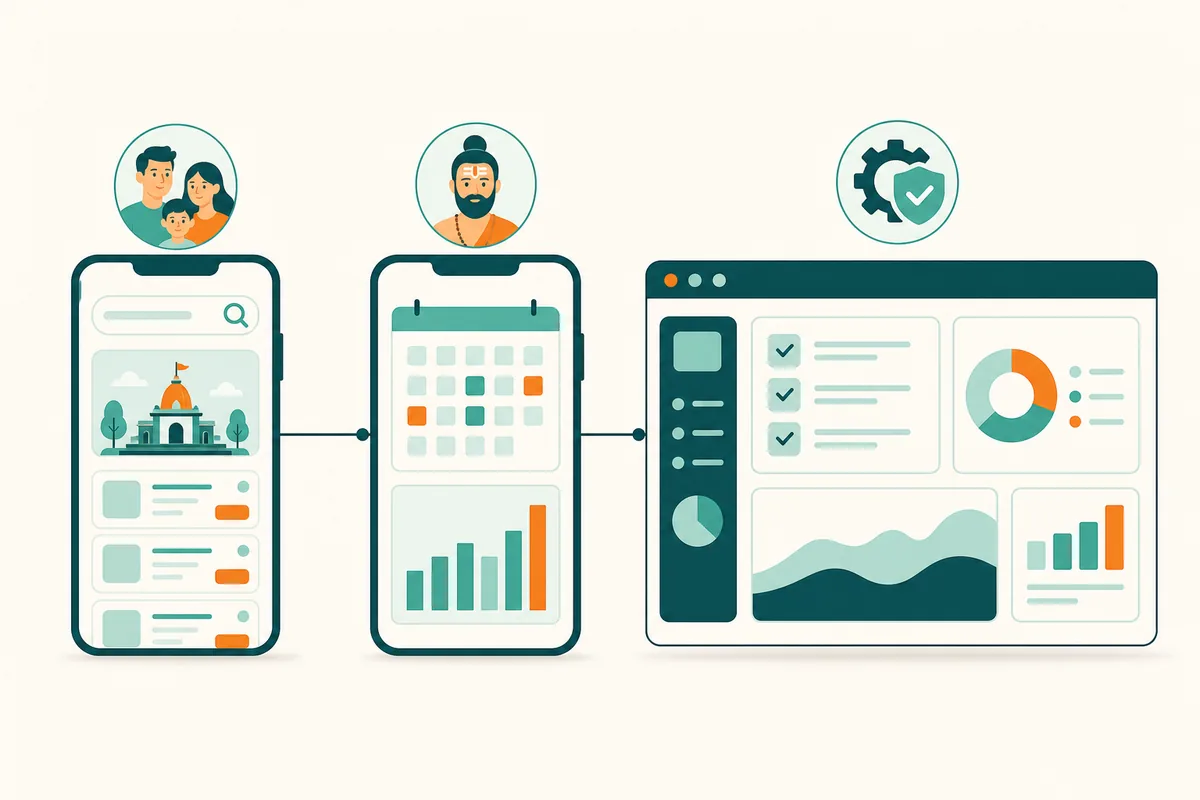
AppWho uses itKey features
Customer PWAFamiliesLocation search, filters by ceremony, language and tradition, live availability, instant booking, chat, reminders for festivals and auspicious dates
Priest PWAPriestsProfile with credentials and specialisations, accept or decline requests, calendar, earnings dashboard
Admin panelOperations teamPriest verification, dispute handling, payouts, commission tracking, analytics
Three app panels: customer, priest and admin

Three design decisions shaped the platform:

  1. Verification before visibility

    A priest's profile only goes live after ID and credential checks. Ratings and reviews sit on every profile.

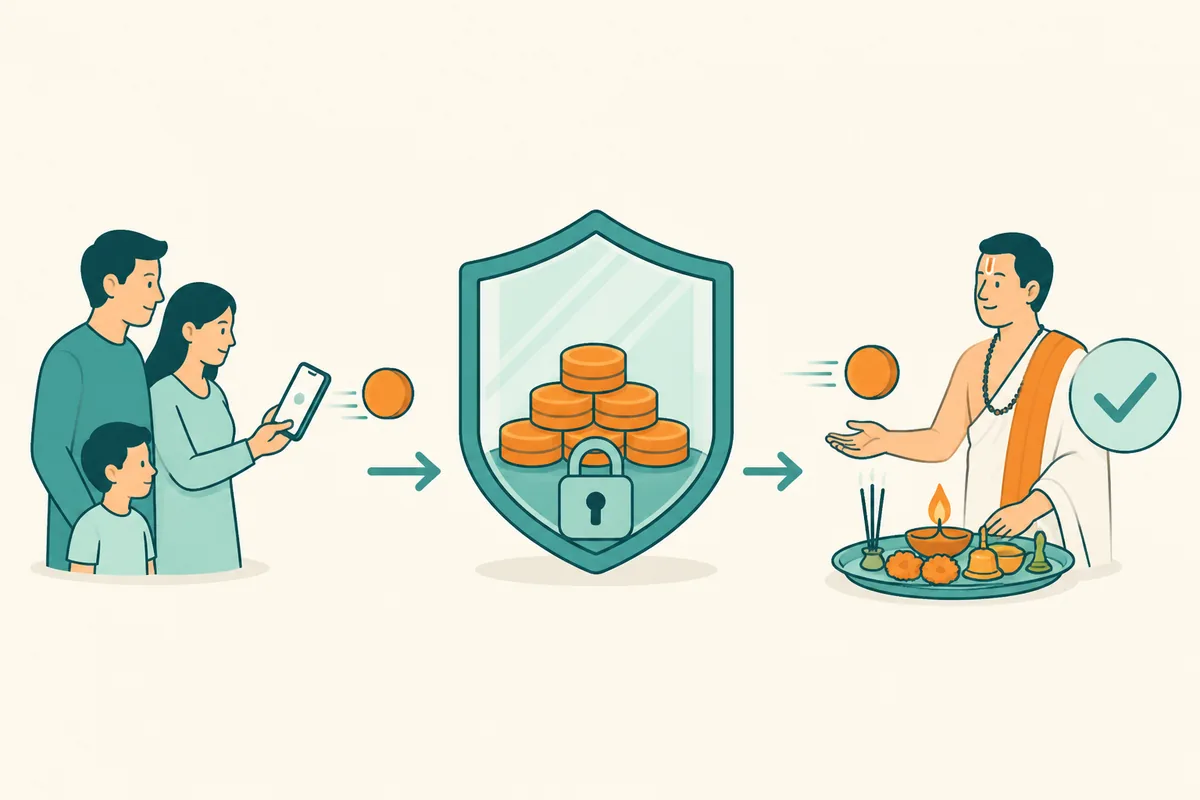
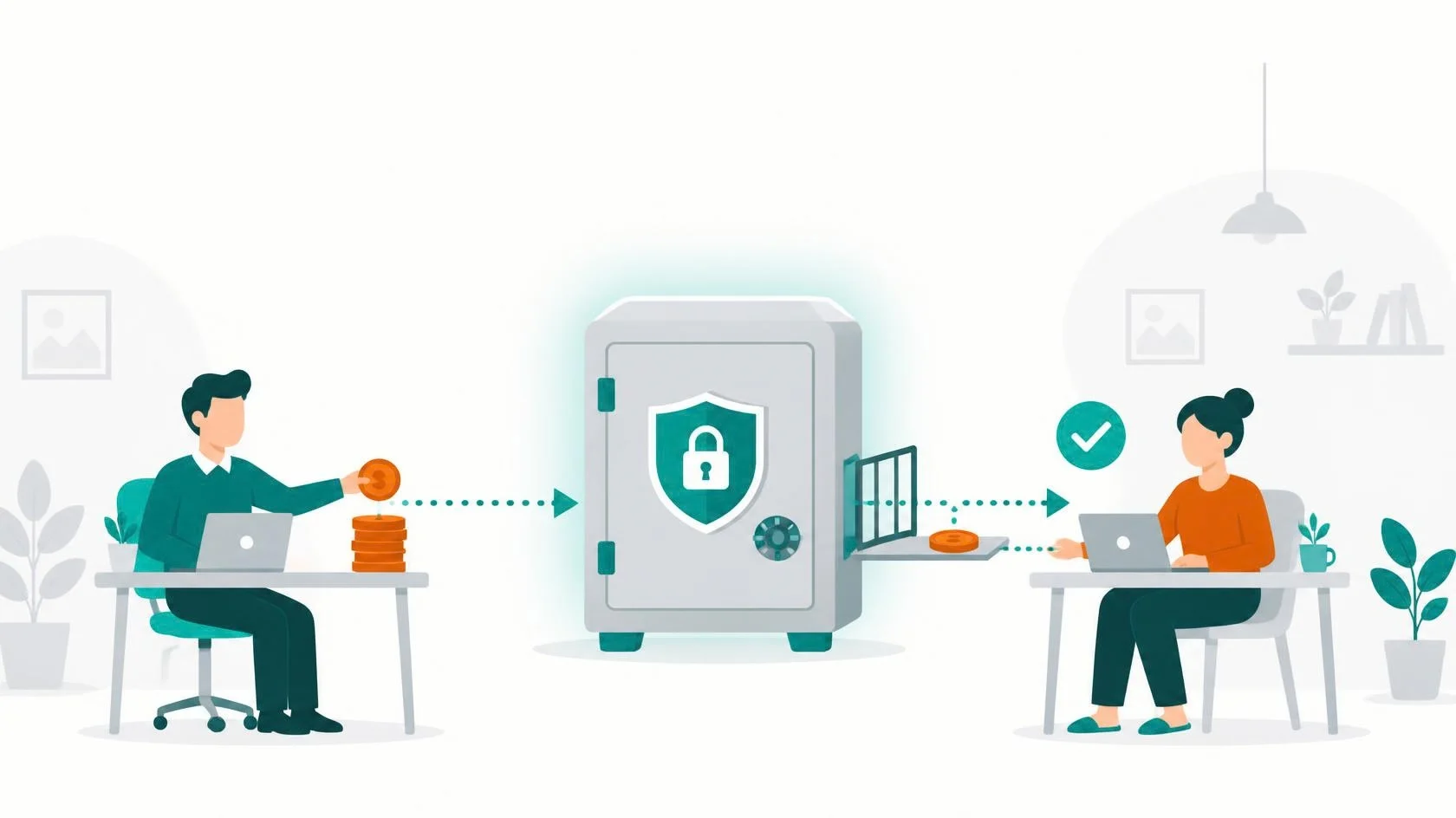
  2. Payment held until the ceremony is done

    The family pays at booking. The money is released to the priest after the service is marked complete. This removes the haggling and protects both sides. I explain this pattern in Trust Is a Feature: Designing Escrow-First Marketplaces.

    Payment held safely until the ceremony is complete
  3. PWA, not native apps

    Both families and priests use the platform from a browser, with no app store download. This matters for older users and for priests on low-cost Android phones.

Architecture

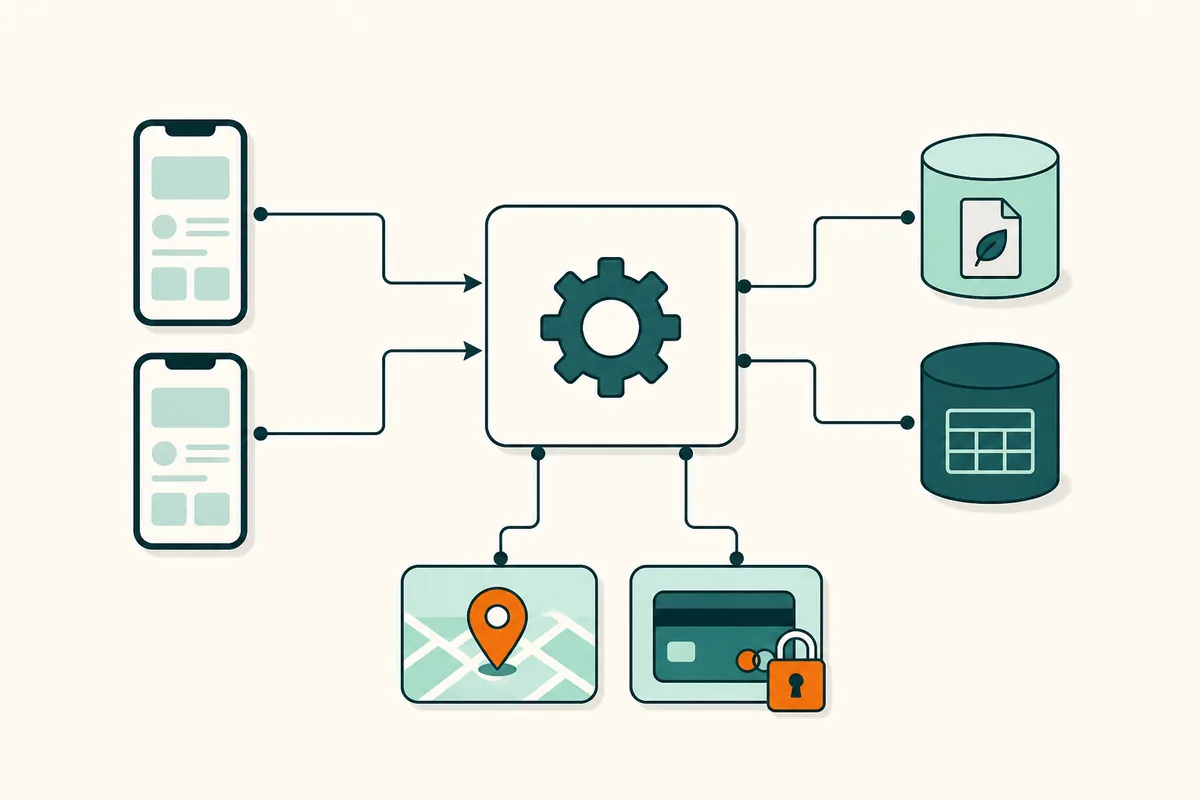
Diagram: PWA, API, two databases, maps and payment gateway
  • Frontend: Next.js progressive web app for both customer and priest apps.
  • Backend: Node.js with Express, REST APIs.
  • Data: MongoDB for profiles and content; PostgreSQL for bookings and payments, where transactions must be exact.
  • Location: Google Maps API for radius search and travel time.
  • Payments: Razorpay and Stripe, with funds held until the booking is completed.
  • Login: OTP on mobile number, with ID verification for priests.

Splitting the data this way kept payments in a strict relational database while profiles stayed flexible.

Festival Peaks

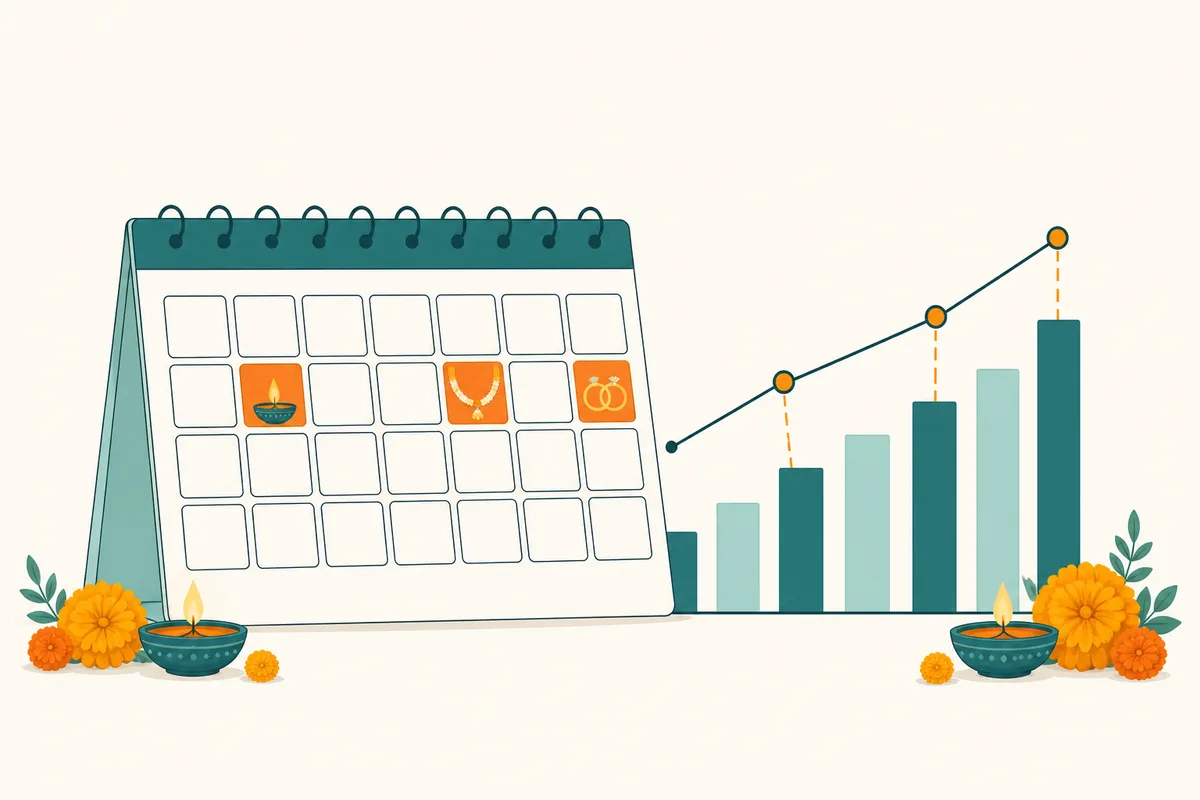
Demand is not steady. It jumps around Diwali, Navratri, wedding seasons and auspicious dates, then drops. The platform handles this with advance booking, recurring bookings and same-day emergency bookings, so peaks become extra income rather than lost requests.

Calendar with festival dates and rising booking demand

Results & Impact

Priest viewing upcoming bookings and earnings on a phone
Booking fulfilment
95%
Booking requests fulfilled
Average rating
4.8
Rating given by families
More bookings
40%
Increase in bookings for priests
Apps
3
Customer PWA, priest PWA and admin panel

Business Impact

Families book a verified priest in minutes instead of days of phone calls
Fees are agreed before the booking, so there is no negotiation on the day
Priests get bookings beyond their local network and are paid reliably
Payment is held until the ceremony is marked complete, protecting both sides
No app store download needed for families or priests

What Other Marketplaces Can Take from This

  • In a high-trust service, verification and payment protection are the product, not extras.
  • Cultural fit (language, tradition) can be a stronger search filter than price.
  • A PWA lowers the barrier for both sides of a marketplace when users are not app-store regulars.

Key Takeaways

Verify providers before their profile goes live; trust is the product.
Hold payment until the service is done, so neither side carries the risk.
Let users filter on cultural fit such as language and tradition, not only price.
Use a PWA when your users are not app-store regulars.
Design for seasonal peaks with advance, recurring and same-day bookings.

Building a Service Marketplace?

With 26+ years of building platforms, I help founders design service marketplaces with verification, protected payments and booking flows that both sides can trust.