HealthTechGlobalDelivered

AI Healthcare Support Platform - Global

How a secure, AI-assisted platform supports cancer patients, caregivers and healthcare providers between appointments, with anonymous forums, secure messaging, EHR links and a tamper-evident audit trail, built for GDPR and HIPAA.

Healthcare platform for cancer patients (name withheld)November 2026Lead Architect and Technical Head
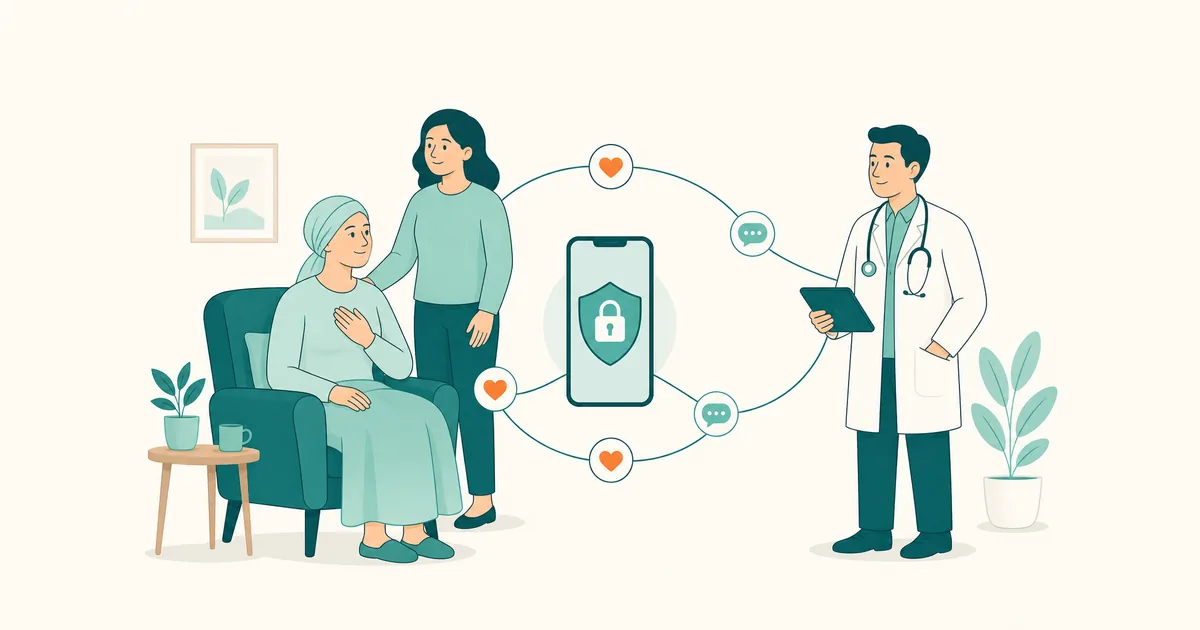
Patient, caregiver and doctor connected through a secure app

Overview

A secure, AI-assisted platform that supports cancer patients, their caregivers and their healthcare providers between appointments. It combines peer support, real-time communication, personalised recommendations and links to electronic health records, while keeping sensitive data private and every record change provable.

Technologies Used

Java Spring Boot
Microservices for records, messaging, AI and audit
React.js
Web app for patients, caregivers and providers
Flutter
Mobile apps
Hedera Hashgraph
Tamper-evident record of health-data changes
AWS Cognito
Sign-in and role-based access
EHR integration
Links to electronic health records through dedicated services

The Challenge

A cancer diagnosis brings months of uncertainty, and most of it happens away from the hospital. The client saw four gaps:

  • Isolation. Patients wanted to talk to others in the same situation, often without revealing who they are.
  • Disconnected care. Messages, appointments and records were spread across hospitals, phone calls and paper.
  • Trust in data. Health records shared across organisations need a clear, tamper-evident history of who changed what and when.
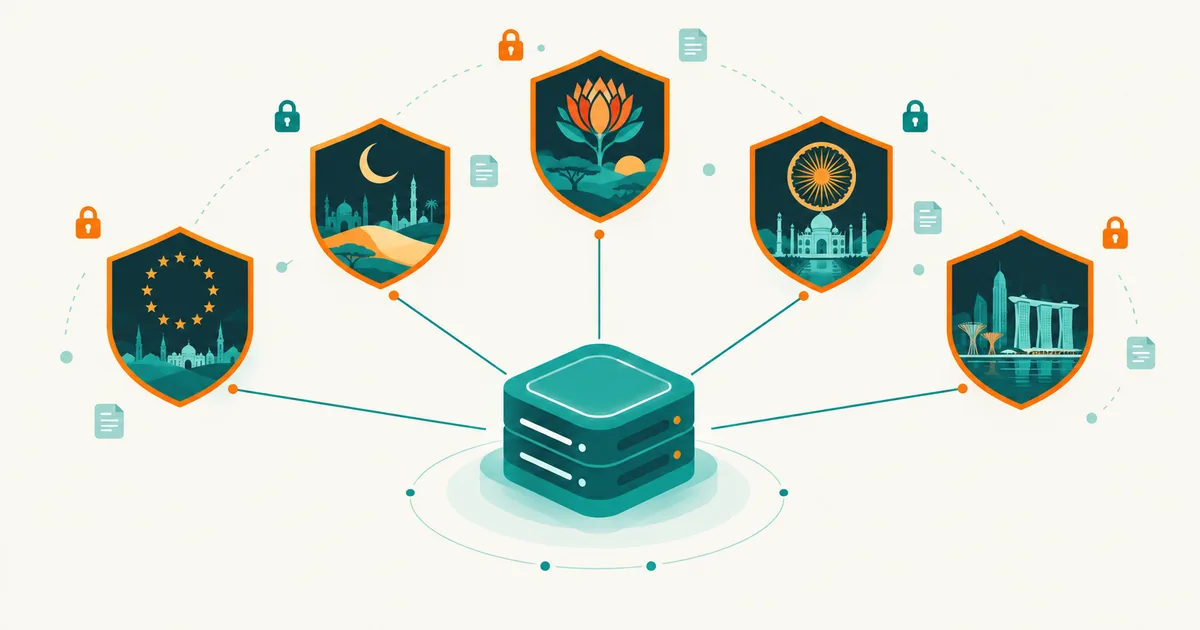
  • Regulation. Health data is the most heavily regulated personal data there is. The platform had to meet GDPR and HIPAA from day one.
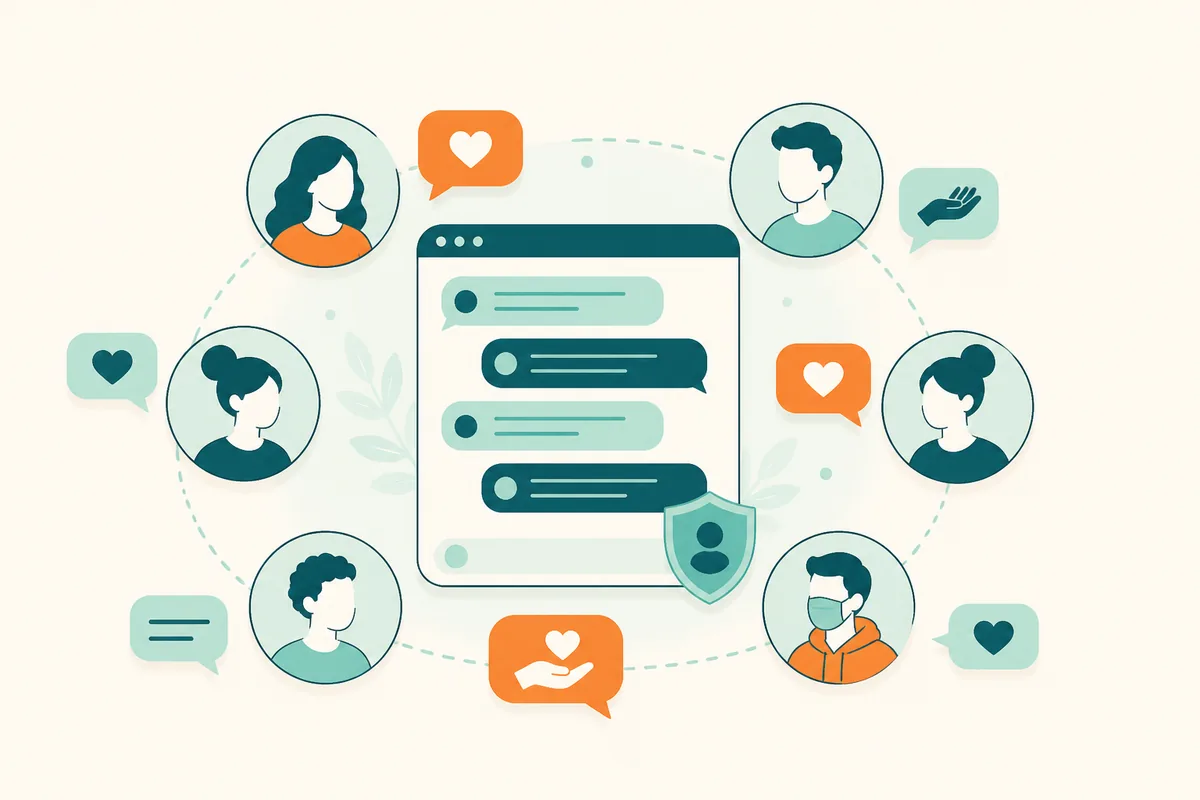
Anonymous avatars supporting each other in a community forum

My Role

As Lead Architect and Technical Head, I was responsible for the platform architecture, compliance design, blockchain integration and leadership of the development team.

What We Built

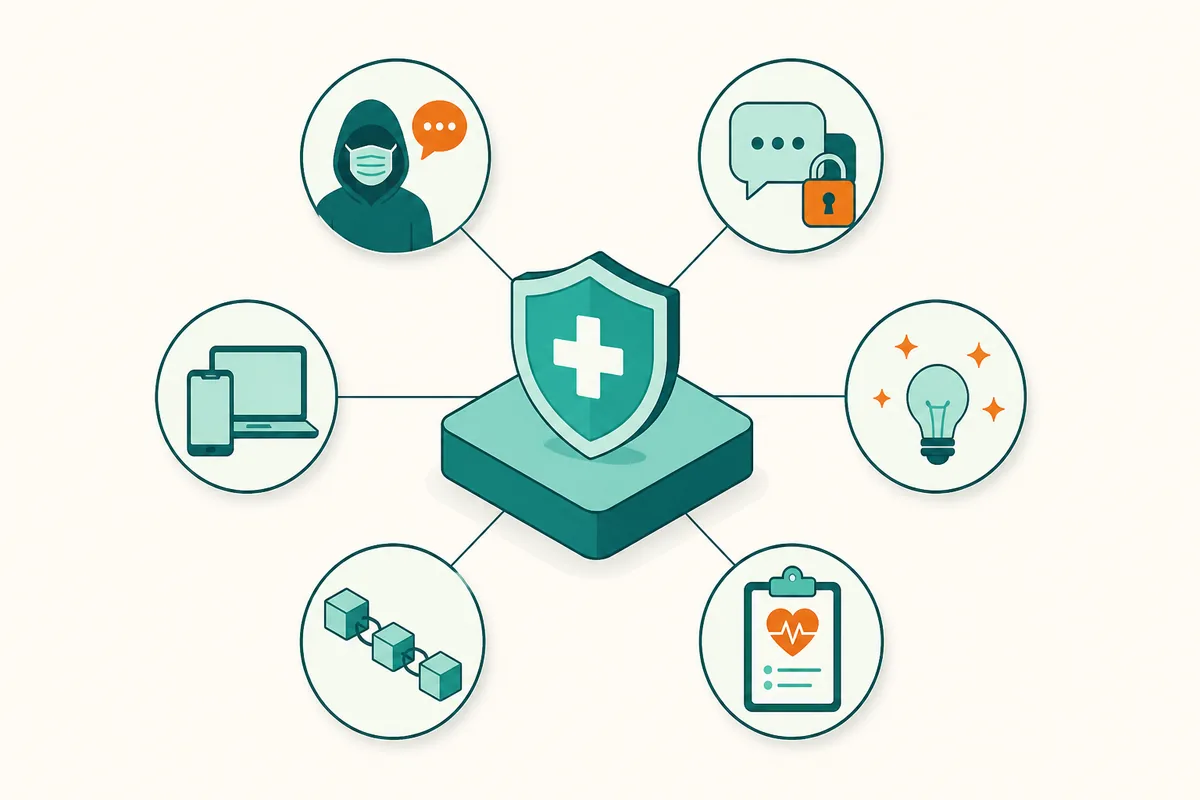
ModuleWho uses itWhat it does
Anonymous forumsPatients, caregiversPeer support under a pseudonym, with moderation
Secure messagingPatients, providersReal-time communication with the care team
AI recommendationsPatients, caregiversPersonalised guidance and resources based on the care journey
EHR integrationProvidersLinks to electronic health records through dedicated services
Audit trailProviders, complianceRecord changes anchored on Hedera Hashgraph so they cannot be silently altered
Mobile and web appsAll usersFlutter mobile apps and a React.js web app
Six modules arranged around a central secure platform

Key Architecture Decisions

  1. Microservices, for a reason

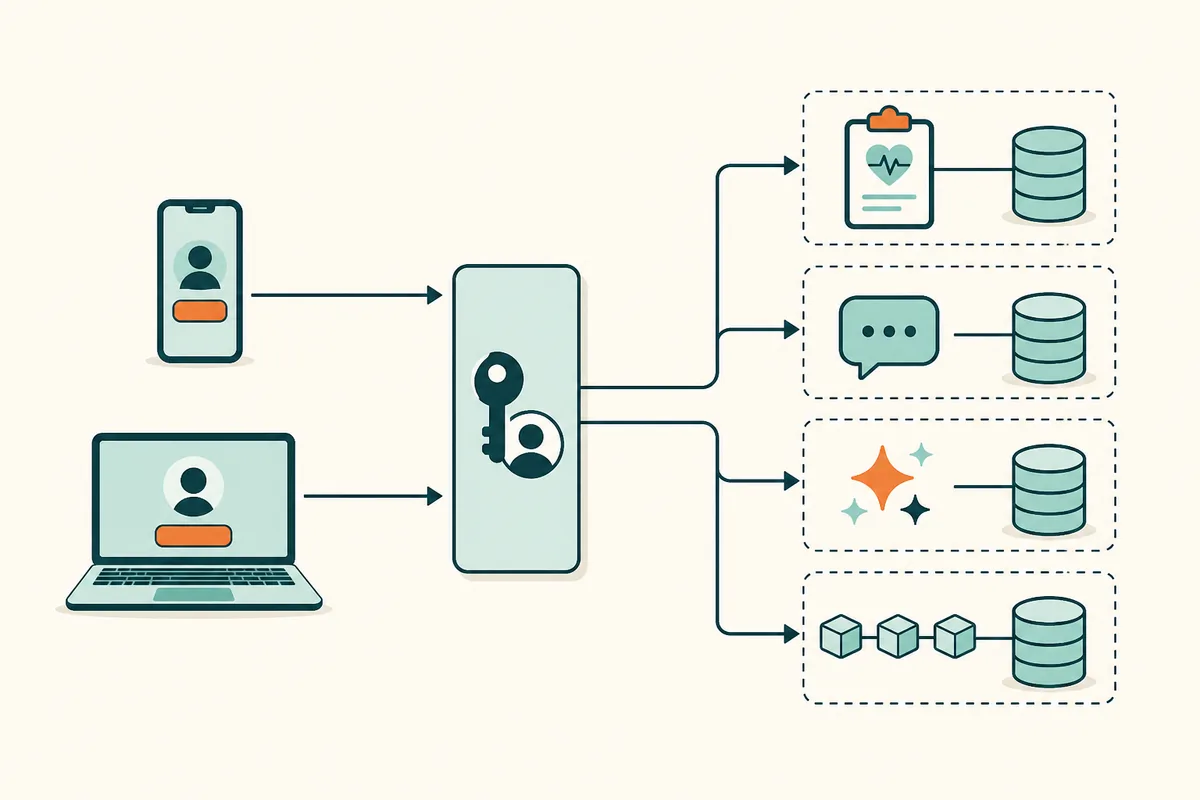
    Health-record integration, messaging, AI and data integrity have very different security and scaling needs. Separating them let each service hold only the data it needs, which limits the damage if one is compromised. This is one of the cases where splitting early was right, as I explain in Microservices vs Monolith.

    Separate services for records, messaging, AI and audit
  2. Blockchain for data integrity

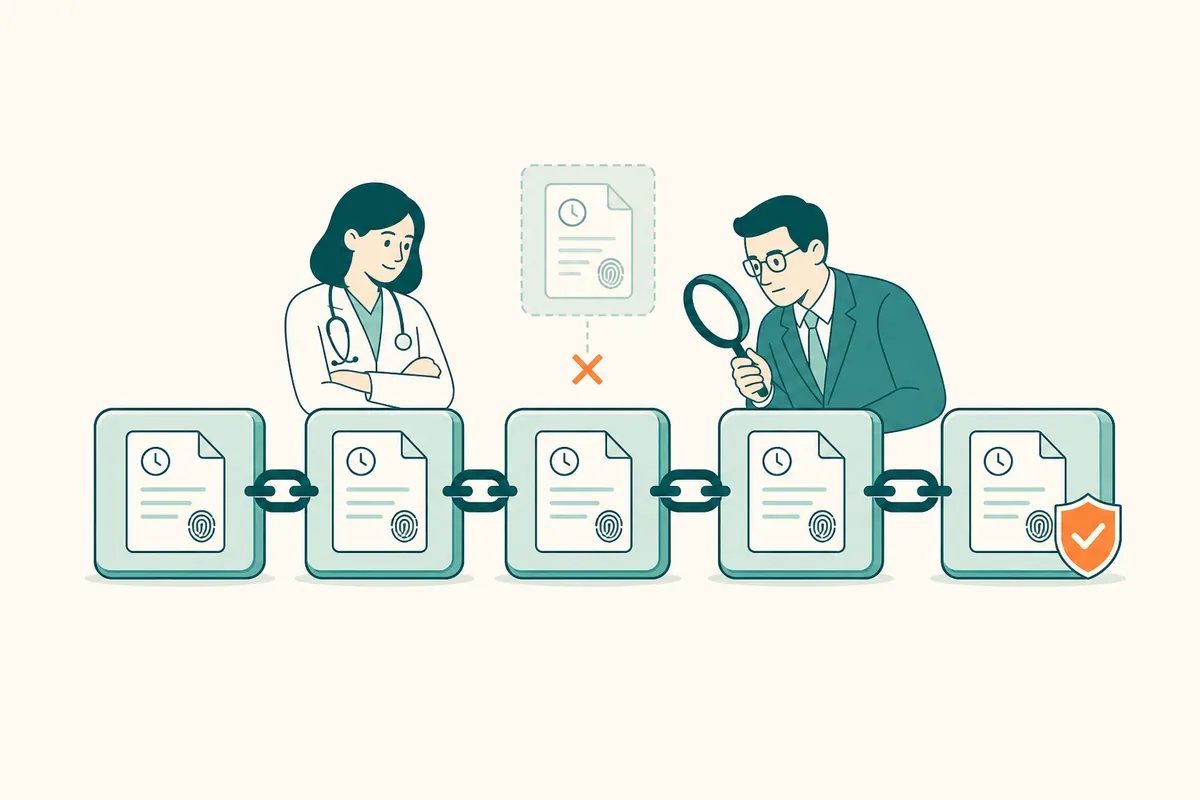
    Hedera Hashgraph gives the platform a tamper-evident record of changes, so patients, providers and auditors can trust that health data has not been silently altered.

    Record changes linked as a tamper-evident chain
  3. Identity and access first

    AWS Cognito handles sign-in, with role-based access so patients, caregivers and providers each see only what they should.

  4. Privacy and compliance by design

    Anonymous forums, strict access control and GDPR and HIPAA requirements were part of the architecture from the start, not added before launch.

Where AI Helps, and Where It Does Not

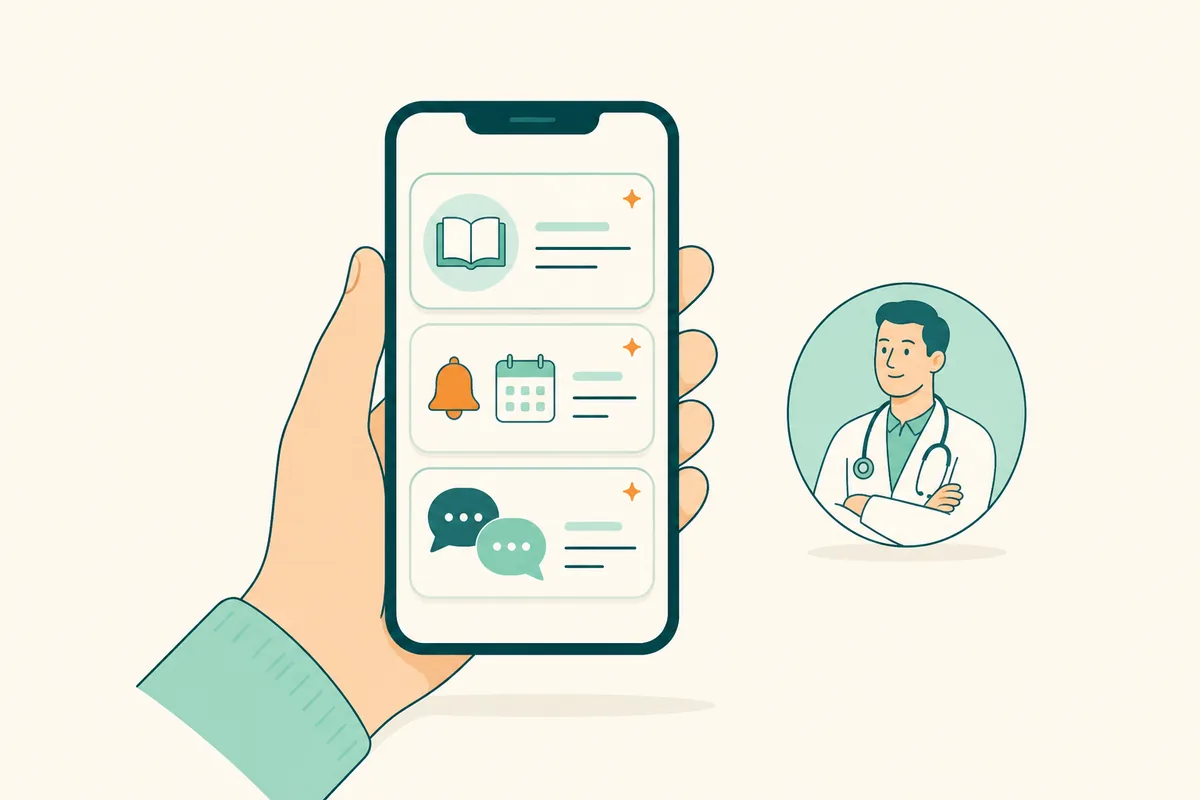
The AI suggests resources, reminders and relevant community discussions based on where a patient is in their care journey. It does not diagnose or replace clinical advice. Keeping AI in a supporting role was a deliberate design choice for safety and regulation. I wrote more about this in Where AI Actually Earns Its Place in an MVP.

Phone showing personalised resources and reminders

Results & Impact

The project delivered a platform that brought the whole care circle into one secure place.

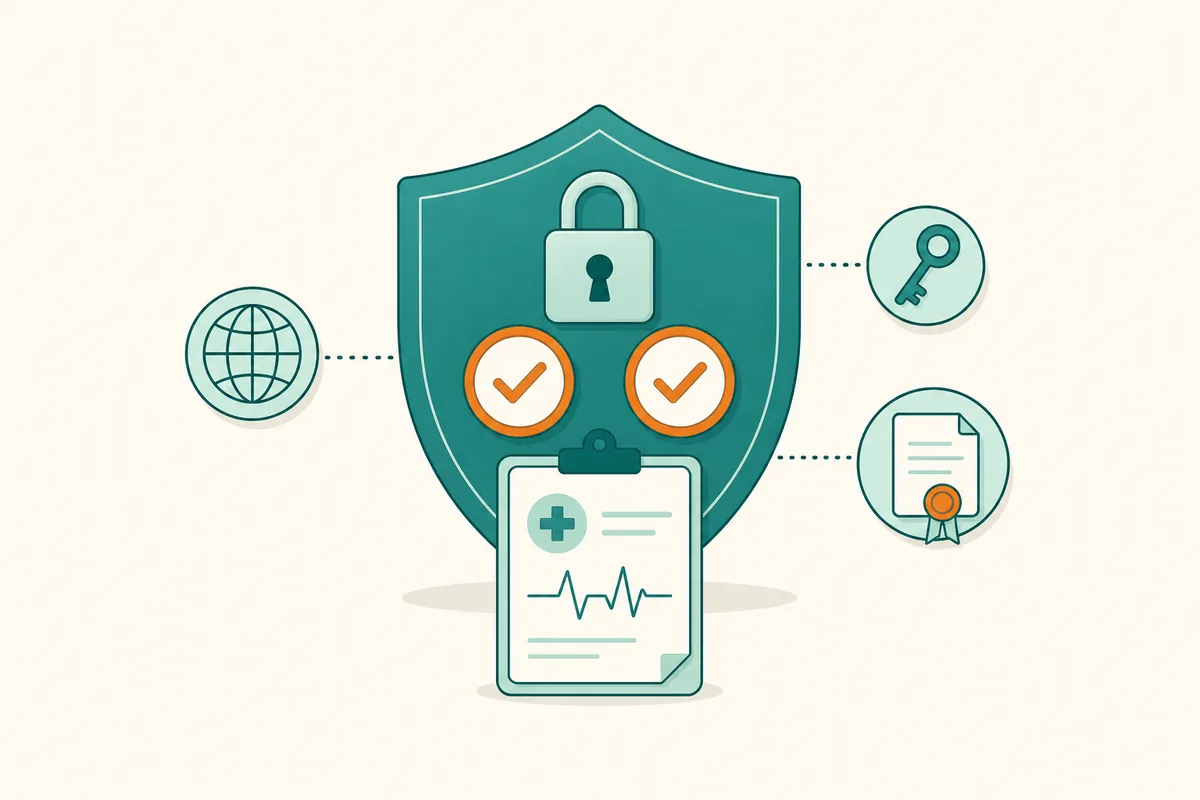
Shield with GDPR and HIPAA checkmarks over a health record
Compliance
GDPR + HIPAA
Designed into the architecture from the start
Core modules
6
Forums, messaging, AI, EHR integration, audit trail and apps
User groups
3
Patients, caregivers and providers

Business Impact

One place for patients, caregivers and providers instead of scattered calls and paper
A tamper-evident history of health-data changes that can be shown to auditors
GDPR and HIPAA requirements designed into the architecture, not patched on later
Flutter mobile apps and a React.js web app, so all three user groups were served from day one

What Other HealthTech Founders Can Take from This

  • Decide which regulations apply before you design the database, not after.
  • Use blockchain for proofs, not for storing personal health data.
  • Keep AI in a supporting role in clinical settings, and say so clearly to users.

Key Takeaways

Decide which regulations apply before you design the database.
Split services where security and scaling needs genuinely differ.
Use blockchain for proofs, not for storing personal health data.
Put identity and role-based access in first.
Keep AI in a supporting role in clinical settings, and say so clearly to users.

Building a HealthTech Platform?

With 26+ years of building platforms, I help HealthTech founders design secure, compliant architectures where privacy, auditability and AI each have a clear place.